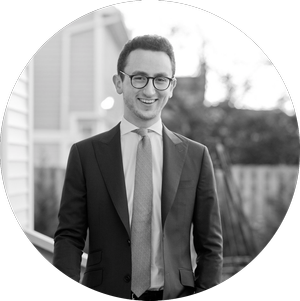
Professor Raymond Scheindlin: Adhere Mot – Kedoshim How to be Holy

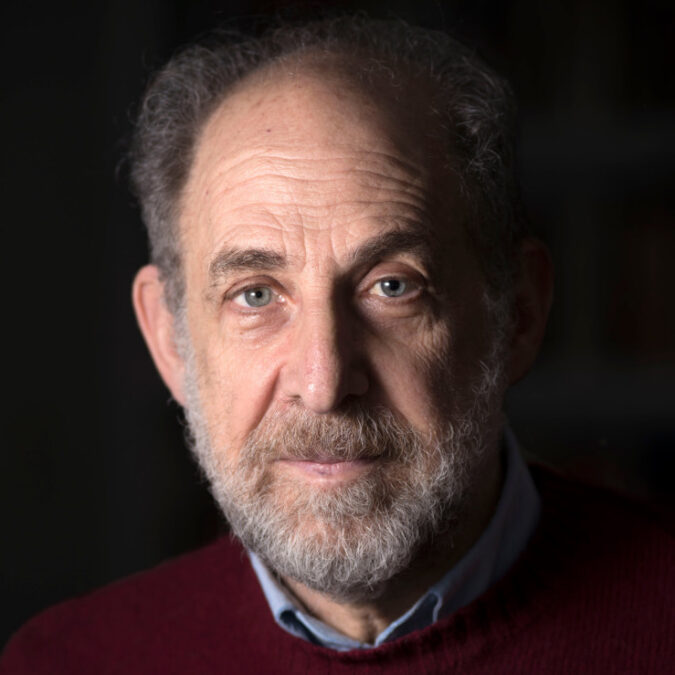
Professor Scheindlin comments on Chapter 19 of Leviticus, which comes with a temporary reprieve from the endless ritual instructions, and begins with the statement “Be holy, for I, the Lord your God, am holy.” He is concerned with the difference between the commandment to “be holy”, rather than “to be moral”. Furthermore, the Torah commands us to beware of the holy, as with Nadav and Avihu.

Rabbi Sacks-Mintz: Tazria – Metzora

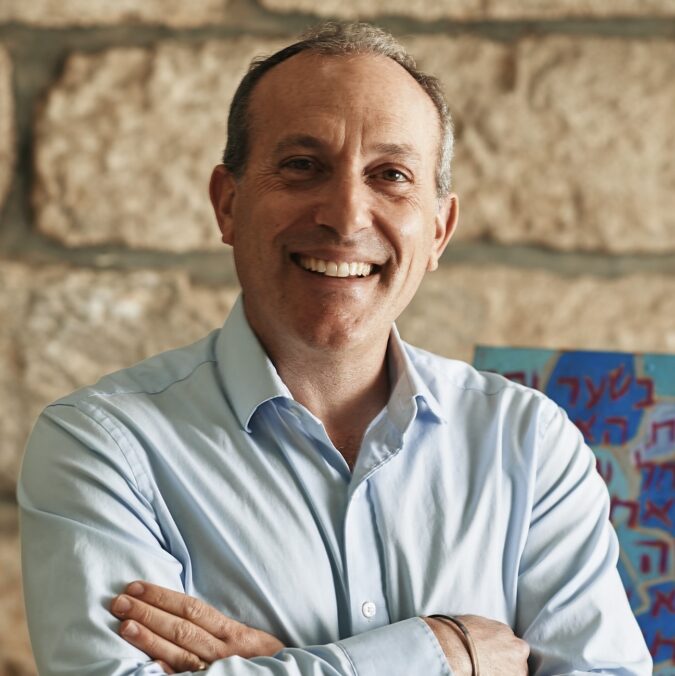
Rabbi Mintz writes that, despite post-biblical and contemporary thought, judgments of impurity that are affiliated with “uncleanness”, or “sinfulness” related to the chata’at are not in accordance with the text. In fact, tuma’a is not connected to demonic forces, nor dirt or infection, but simple nature; tangible realities of the human condition juxtaposed with the Divine.

Rabbi Jonathan Sacks, z/l: Tazria – Metzorah

Rabbi Sacks addresses the challenge of ritual impurity by citing Rambam. Rambam writes that a person cannot be flesh and blood, without also being subject to external influences. As Rabbi Sacks continues, Judaism eschews both hedonism and asceticism; by sanctifying the physical, the human life becomes a vehicle for the Divine Presence.

Rabbi Mordecai Finley: Parashat Shemini Aaron’s Silence

Rabbi Finley avoids any assessment of guilt in the narrative of Nadav and Avihu. As he reiterates, the Torah does not actually indicate why they performed this act, nor what they were thinking at the time. He observes that no one can be ready for when a seemingly minor infraction results in a disaster. The danger is in the slightest moment of inattention, that can have unforeseen consequences.