

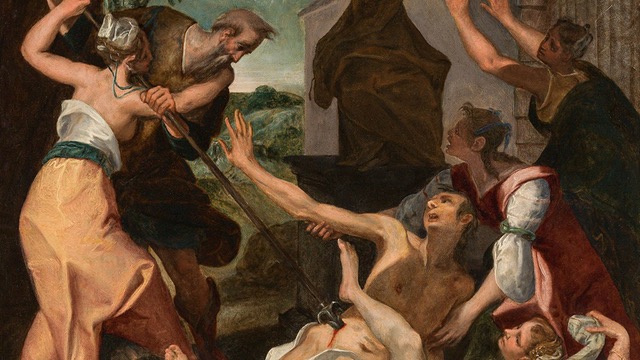
Rabbi George Altshuler: Pinchas The Dilemma of Pinchas: When do you teach against the text?

Rabbi Altshuler considers the narrative of the Israelites cohabiting with the Moabite women: He questions why non-Jewish women are blamed for leading Jewish men into idolatry and why God sees this as something punishable by death. For comparison, he references the writings of Charles Arthaud, of the French colony that would later become Haiti. Dr. Arthaud wrote that all people have a relationship with the Divine, yet he owned a plantation with slaves.
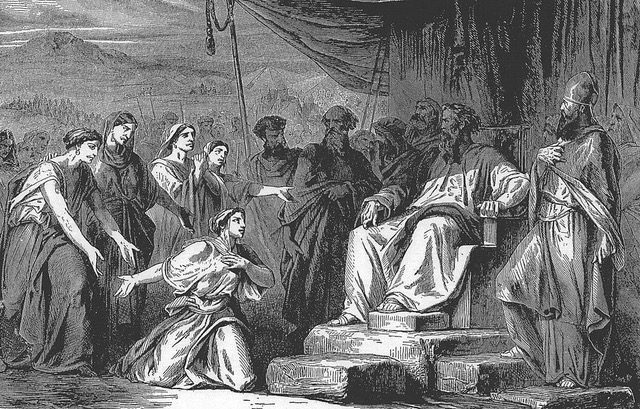

Dr. Peri Sinclair: Pinchas An Enduring Act of Feminine Courage

Dr. Sinclair comments on the lack of feminine push-back against the male domination, and the remarkable narrative of the 5 daughters of Tzlofechad. She observes that they are identified by their names, and not by their relationships to men. Secondly, they challenge the accepted social order, and the law of the land. Dr. Sinclair then analyzes the meaning of the root “g-r-ah” — to subtract, to derive meaning from the text.

Rabbi Jonathan Sacks, z’l: Pinchas On Parents and Teachers

Rabbi Sacks writes of the poignancy of Moses’ prayer to God to appoint a successor to lead the Jewish people. God then informs Moses that he will also be “gathered to his people as was his brother Aaron.” Rashi interprets this to mean that Moses was somewhat envious of how Aaron died. Rabbi Sacks cites Ktav Sofer, who observed that Aaron knew that his children would follow in his footsteps, yet Moses’ sons would not follow in his own.