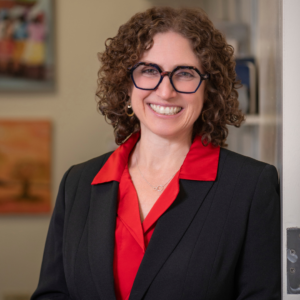
Rabbi Stephanie Ruskay: Matot – Masei Do Women’s Vows Count?: A 21st Century Problem

Rabbi Ruskay considers the challenging text that stipulates that a woman’s vow can be nullified by her father or husband; otherwise, if she breaks it then he is culpable. Rather than skipping over it, she “leans into the text”, considering contemporary contexts. For instance, she quotes the question “what happens to our bodies when we encounter a text that challenges us because of who we are”. She observes, “our tradition is bigger than any single passage.”
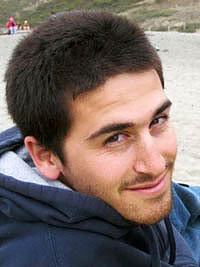

Sam Berrin Shonkoff: Matot-Masei

Sam Berrin Shonkoff tackles the multiple challenges of this double parashah; the sexism of men nullifying women’s promises, genocide of the Midianites, ethnic cleansing of the current inhabitants of Canaan, and questions how we can meaningfully engage with such texts. He writes that we cannot evade, ignore, or whitewash the narrative, but must approach the Torah in its entirety, cultivating true shalem—wholeness in the world.

Rabbi Jonathan Sacks, z/l: Matot-Masei The Danger of Suspicion

Rabbi Sacks writes about the tribes of Reuben and Gad, who will be permitted to return to their land on the east side of the Jordan river after the land is conquered, and they will be free of any obligation before God and Israel. Rabbi Sacks’ concern is that instead of being innocent before God, they must also be innocent before Israel. This enhancement has become an ethical axiom of Judaism. Appearances matter.