
Emmanuel Bloch, Ph.D: Ki Teitsei Is Modesty Still Relevant in the Twenty-First Century?

Dr. Bloch considers the historical precedent for tzniut in the Jewish community. He cites Torah passages that equate immodesty with nudity—male or female—that violates the sanctity of a sacred space, while traditional interpretations equate it with female sexuality as seen through the lens of the heterosexual male. Although progressive Jews tend to reject the concept of tzniut, he observes that it still has relevance today. He cites Deuteronomy 23:15, which requires us to maintain holiness in our camp because God moves amongst us.

Rabbi Jonathan Sacks, z/l: Ki Teitsei The Parameters of Justice

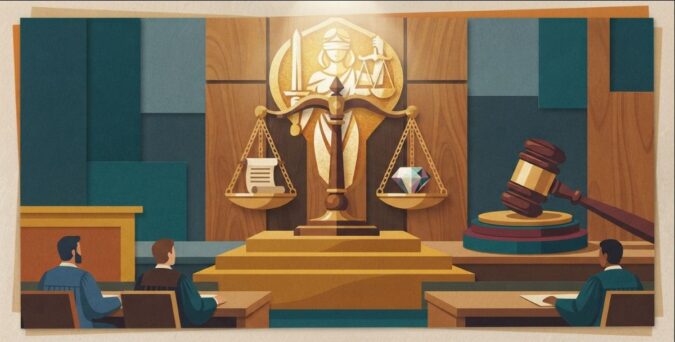
Rabbi Sacks addresses the statement in Deuteronomy 24:16, that a person shall only be put to death for his own sin, not for the sins of their children or parents. This law clearly excludes vicarious punishment that was common at the time; for instance, if a man rapes a virgin, his wife shall be ravished, who then must stay with the father of the victim. Yet, it is seemingly contradicted by the principle that children may suffer for the sins of their parents. Rabbi Sacks observes that the latter law reflects the difference between human justice and Divine justice, yet the problem is more complex.