

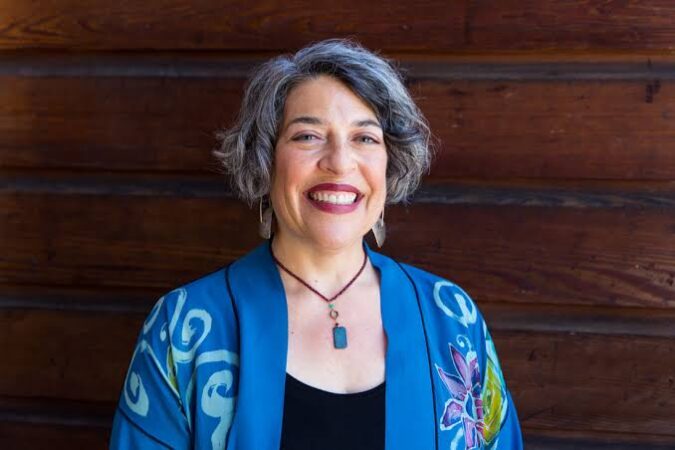
Karen Erlichman: Reflecting on Ki Tavo

Karen Erlichman considers the contrast of Elul, a time for reflection on our behavior during the past year, and the last line of the preceding parashah, which “ushers us into Ki Tavo”—when we are granted safety in the promised land, we are to blot out the memory of Amalek. She comments on the conundrum of blotting out a memory and a time to not forget our past.
Ilana Kurshan: Ki Tavo Why Does the Blind Man Carry a Torch?

Ilana Kushan comments on the similarities between the curses in the parashah and the Plagues of Egypt, in particular, as asked by Rabbi Yose that “…you will be afflicted with madness, blindness, and dismay. You will grip at noon as a blind man gropes in the dark…”. Why is it necessary to specify that the blind man is [again] in the dark? She cites Megillah 24b, wherein the rabbis question whether a blind person may lead the congregation in the Shema.

Rabbi Jonathan Sacks, z/l: Ki Tavo A Sense of History

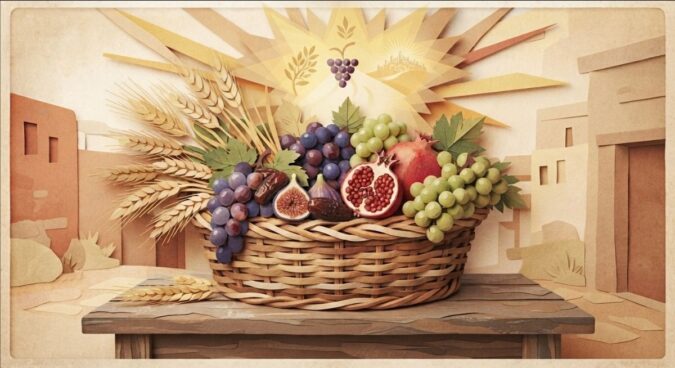
The ceremony of First Fruits is described in rich detail, the fruits, the ox with the horns overlaid with gold, the ceremonial greetings from the authorities…Yet the declaration made by each individual was not praise of God, as might have been expected, but the recollection of the sojourn in Egypt and subsequent redemption by God. Knowing one’s history was essential to being part of a faith community.