Video for The Maccabeats: Les Misérable, A Passover Story
Video for The Maccabeats: Les Misérable, A Passover Story


Video for The Maccabeats: Les Misérable, A Passover Story

Rachel Ain asks about whether God has ever called out to one of us, and what transpired in the interaction that was so critical. Vayikra focuses on ritual sacrifices, that were established to enable the people to connect directly with God. Yet, what happens in the aftermath of the destruction of the Second Temple? She cites a midrash, wherein Abraham asks the same question?
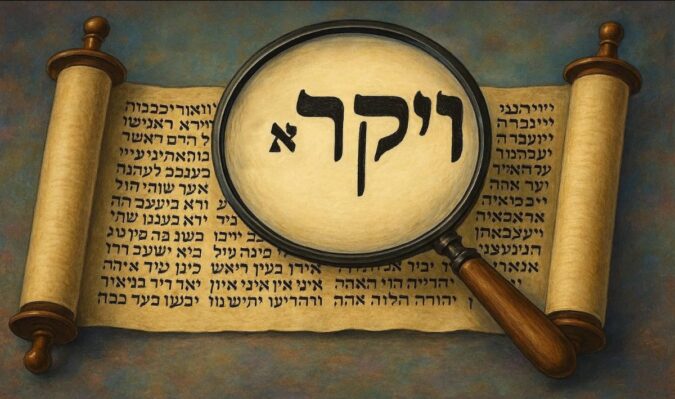
Rabbi Sacks comments on the apparent disconnect between the traditional name Vayikra, and the subject of the book. He argues that there is a deep connection. In fact, all of God’s communications to Moses begin with a call, keri’ah, unlike Bilaam, to whom God “appeared”.
Rabbi Diamond writes that rituals of closure, common in both secular and religious settings, relate to the past and to the future, creating a space in which one begins anew. When we finish a book of the Torah, we conclude with a ritual chanting of hazak hazak. This is appropriate for the completion of Shemot, which ends on a high note.
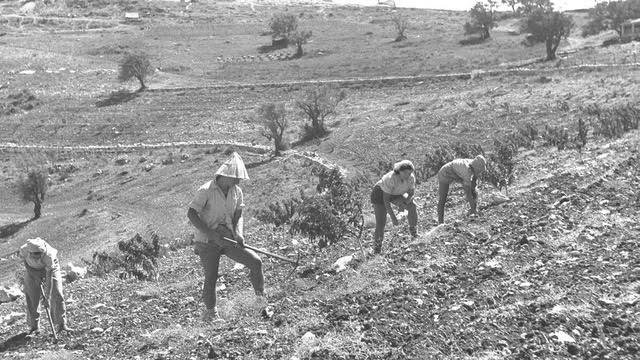
Sam Shonkoff writes about the phrase bitul Torah – cancellation of Torah; this refers to the time one spends away from study, dealing with chol, or profane (secular) issues. The concept suggests that religious life only occur with the framework of ritual. Yet, spiritual life is actually continuous; what one does during the week is as important as what one does during religious rituals.
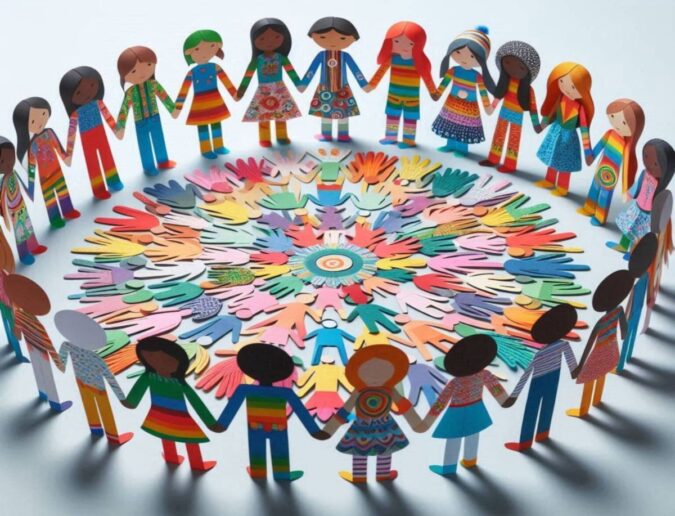
Rabbi Sacks writes about the different words for community: edah – people who have a strong sense of collective identity; tzibbur – members have nothing in common but happen to find themselves to gather; kehillah – members gather together for a collective undertaking. It is the latter type of community that can be dangerous; a rabble or a crowd. This is what Moses sees when he descends the mountain.


Rabbi Kamenetzky considers the meaning of the clothes or badges that we wear. Despite the detailed instructions regarding the construction of the priestly garments, the purpose of the garments is fundamental.
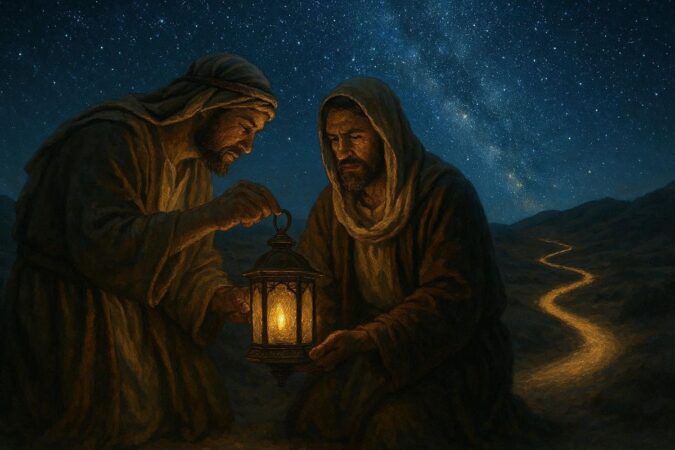
Rabbi Sacks considers the explanation for why Moses is not represented in this parashah. Rather than emphasize the absence, he observes that Tetzaveh focuses on the other presence that had a decisive influence on Judaism and Jewish history; namely, the Kohen. The priests were quieter than the prophets, yet they sustained Israel as a holy nation just as much.