
Rabbi Shefa Gold: Vayetze The Blessing

Rabbi Gold writes that Jacob’s dream of the stairway connecting Heaven and Earth is a blessing: we ourselves become that blessing by transmitting the Divine flow from our crowns in heaven to our feet on earth. She observes that in the text Jacob tries to negotiate with God but misunderstands the promise given him in the dream. We also would like to have the blessing of life given to us the way we want it, but it doesn’t work that way.


Rabbi Yair Robinson: Vayetse How We Choose to See the World

Rabbi Robinson writes of the “terribleness”, or evil of the world. We may see the prejudice, pain, and injustice; once we are aware of it, how can we close our eyes to it? He writes of Leah’s hurt and turmoil and constant hope that her husband will love her. However, when she gives birth to Judah, she praises the Eternal. This is the first time that someone has offered gratitude to God.

Rabbi Sacks, z’l: Vayeitse Leah’s Tears

Rabbi Sacks writes about the literal meaning of the words in Bereishit 29:30: “He also [gam] married Rachel, and he also [gam] loved Rachel…God saw that Leah was hated [senuah]…”. The conflict is that Jacob could not love both sisters the same, even though he married both sisters. The actual meaning of senuah is not “hated” in this case, but “relatively unloved”. Leah knew this, and God was aware.

Rabbi Ovadia: Toledot Measure for Measure

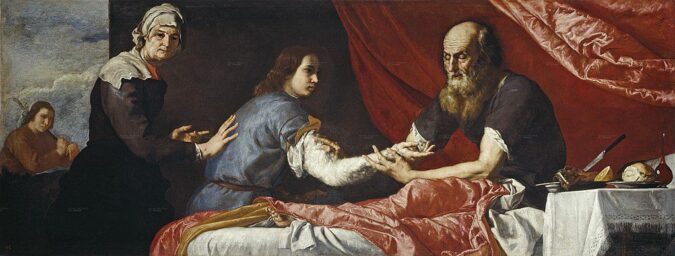
Rabbi Ovadia addresses the debate whether Jacob was right in his deception of Isaac. He refers to the Talmudic idiom – measure for measure, which references the parallel between Jacob’s deception and Lavan’s deception. In fact, Lavan’s explanation of the deception involving Leah is that the younger does not go before the older; the exact opposite of what Jacob did to Esau.

Rabbi Daniel Nevins: Toledot Finding Our Way (and God’s) in the World

Rabbi Nevins comments on the contradictions in the narrative of Rebecca; she is bold and independent as a girl, wife, and mother. Yet in her effort to fulfill God’s will, she deceives and humiliates her blind husband, and causes him fear as well. She causes her eldest son anger and disappointment, while the younger must flee for his life. Rabbi Nevins questions whether she is truly strong and righteous, or headstrong and wrong.

Rabbi Jonathan Sacks, z/l: Chosenness and its Discontents

Rabbi Sacks writes about Jacob’s trickery is stealing the blessing and birthright from his brother Esau. He observes that the emotions of the characters—Jacob and Esau—are strongly distressed, despite the fact that the narrative doesn’t provide much in the way of details. Interestingly, although Jacob is the chosen to be the patriarch, the text leads us to sympathize more with Esau.