
Congregation Emanu-El – Cantor Marsha Attie singing “Like a Bridge Over Troubled Water”
Cantor Marsha Attie: Like a Bridge Over Troubled Water
Rabbi Ruditsky writes about many aspects of Ki Tavo and the Haftarah portion. His key theme is about putting yesterday in perspective; we look to tomorrow and the future, but do not forget the past—good and bad. We take those various aspects with us into the future.
Ani L’Dodi V’Dodi Li – Seth Ettinger
Rabbi Sacks addresses the question “Who Am I?” He writes about God identifying Godself as “the God of Abraham, the God of Isaac, the God of Jacob…”. When Moses wonders who he is, God lets him know that he is essentially an Israelite, although he has spent most of his life to date as an Egyptian or a Midianite. Thus, identity is also tied to genealogy. Thus, in Ki Tavo, the Israelites are instructed to say “My father was a wandering Aramean…” when bringing the offering of first-fruits to the priest.
Rabbi Ira Rosenfeld will be installed as Rabbi and Educator at Temple Beth David of the San Gabriel Valley on Friday, August 25, at 7:30 pm.
Deuteronomy 25:17-19 teaches “Zakhor – Remember what Amalek did to you…do not forget.” Rabbi Malka cited these verses when addressing an Israeli audience in the mid-1970’s, to warn of the start of a disturbing trend – Holocaust denial. Today Holocaust denial is prevalent on social media and in academia. We have a sacred duty to remember.
Rabbi Sacks writes about the limitations on a father’s capacity to dictate which of his sons inherits, and how much. Inheritance laws overrule his love or preference for a particular wife or son. He discusses the various references to ahuvah and senuah in different portions, and the negative outcomes for not following the laws of inheritance.
Rabbi Ruditsky discusses the nuances of “stand” and “endure”, omeyd and kayayam, and how they are used in Pirkei Avot and the mitzvoth addressed in Ki Teitzei.
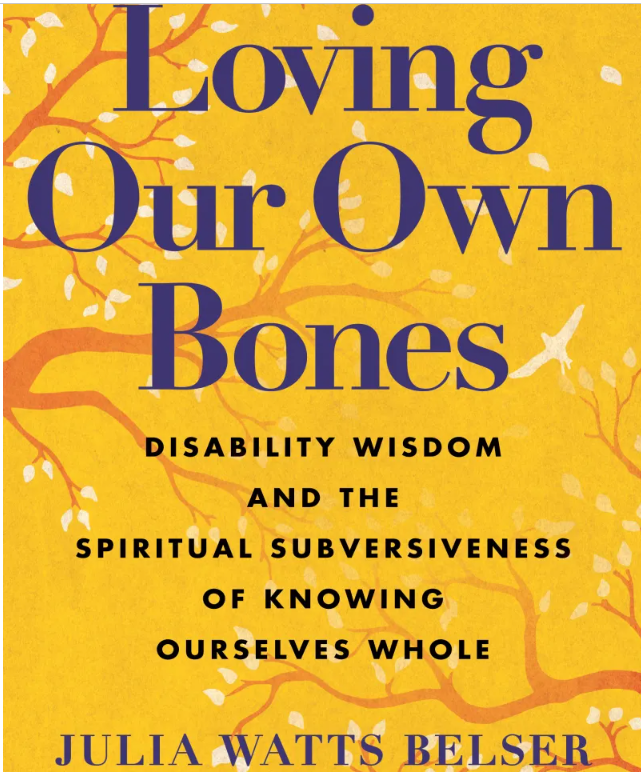
Rabbi Corinne Copnick – “Miracles Are What You Make of Them” is available NOW on Amazon.com in both print and Kindle online versions.
Rabbi Greenstein, as one of the 5 featured authors in the weekly drash a few month back, wrote about God’s seemingly irrational instruction to Moses to destroy the Midianites. Rabbi Greenstein writes that “the fact that there needs to be an explicit command to take vengeance upon the Midianites is a reflection of how exceptional it is. It is an acknowledgement that revenge is not usually a correct response to wrongdoing.”