
Rabbi Cantor Eva Robbins: Spiritual Preparation for Passover
For those who missed Rabbi Robbins’ email on “Spiritual Preparation for Passover”, please follow the link below to read this beautiful article


For those who missed Rabbi Robbins’ email on “Spiritual Preparation for Passover”, please follow the link below to read this beautiful article
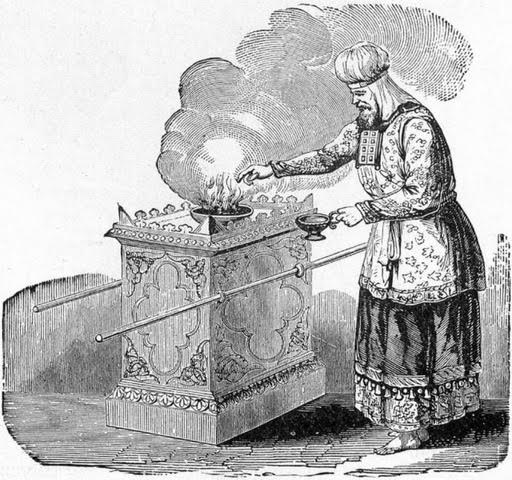
The parashah continues the discussion of the 5 basic sacrifices. However, the focus in this parashah is on the manner in which the offering is made; every step in the process must be correct. The objective is for us to become holy by engaging in partnership with God.

Parashat Tzav covers details on the prohibition against consuming blood, which is equivalent to life. He quotes Arbarbanel, stating that “eating blood is a show of contempt for the animal’s life.” Kook states that in a perfect world, everyone would be vegetarian, but the world is not perfect. The prohibition against the blood requires us to acknowledge the living animal with respect.
The principle of ritual sacrifice seems incomprehensible, irrelevant to our contemporary lives. Yet, Rabbi Sacks informs us that “we love what we are willing to make sacrifices for”. The sacrificial offerings in Biblical agrarian society consisted of the beloved output of our work, offerings of love for God. It is the element of love that makes sacrifice relevant today.
Sunrise Sunset (Fiddler on the Roof) | Cantor Marcus Feldman and Ty Woodward
The Maccabeats – Mah Nishtanah – Passover – מה נשתנה
Mr. Sanderson wrote a beautiful tribute to a friend who died from suicide.
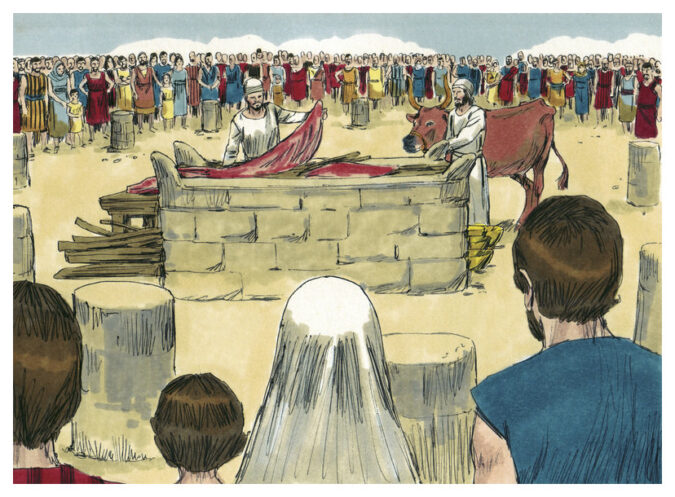
Rabbi Ruditsky raises 3 thoughts on the subject of ritual sacrifice. First, today it is considered barbaric, yet should be viewed within its historical context. Second, what happens when the people could no longer do their ritual sacrifices? Third, we continue to study the texts on ritual sacrifice to achieve the same merit as if we performed the actual sacrifices.

Rabbi Morris Kamil gave an intuitive presentation on preventing homelessness at The Faith Leader Listening Session at the Jewish Federation.

Happiness is associated with taking, while meaning is associated with giving. Meaning is what gives us a sense of purpose in life. While happiness is “in the present”, meaning is in the past, present, and future.