
Lizzie Frankel: Lech Lecha I Walk Barren
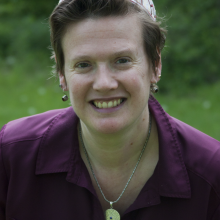
Lizzie Frankel begins with the novel concept of the barrenness of men, rather than women. Avram says to God: “You haven’t given me seed”. What exactly is the meaning behind “seed” and Avram’s need for it?
While Sarai is barren, Hagar is not. When she is sent away, God makes a similar promise to her that He made to Avram. However, she names God as “El Roi” – The One Who Sees, later The One Who Sees Me. This is a very personal approach.
Until now, the Biblical narrative is about archetypal characters, humanity in general. Suddenly the narrative becomes personal, an individual who is the patriarch of one nation. Why did God lose interest in the rest of the world? Actually, taking the entire Tanakh into context, the narrative is about other peoples: Egypt is a great nation, Nineveh is a subject of God’s concern, and so forth.
Please follow the link below to read Rabbi Barenblat’s poem on the Flood
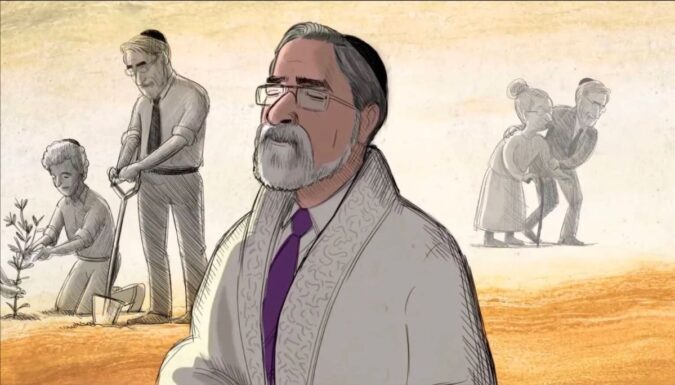
Rabbi Sacks takes a historical critical approach this week’s parashah, in particular the Flood and Tower of Babel narratives. The individualist and collectivist cultures are both problematic, whereas the joint approach is what makes a society function well.
Rabbi Sacks writes about challenges in understanding the instructions regarding the scapegoat; in particular, 2 similar goats but with different treatments decided by a throw of the dice. Traditionally, the interpretation relates to atonement and purification, but doesn’t address the lots or the similarity of the coast.
In her blog, Rabbi Barenblat muses about the ancient agrarian traditions that resulted in the rituals with the etrog and the 4 species, whether they relate to parts of the body, or the agricultural prayer for rain.
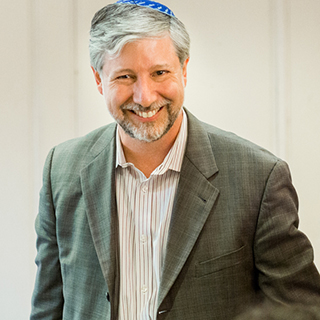
Rabbi Barenblat writes about Deuteronomy 26:15 – “Look down from Your holy abode, from the heavens”. She considers the meaning of the Ishbitzer, who saw God observing the community as a whole, one person clarifying another. What does it mean for one person to clarify another?
The idea that Torah knowledge belongs to everyone, that education should be universal, is one of the most powerful ideas in Jewish history. So many societies, religious and secular, control access to knowledge, either through finances or technical vocabulary, in direct contrast to Judaism.
On October 2, Rabbi Barenblat posted a beautiful writing for what we cannot fix and what we can fix