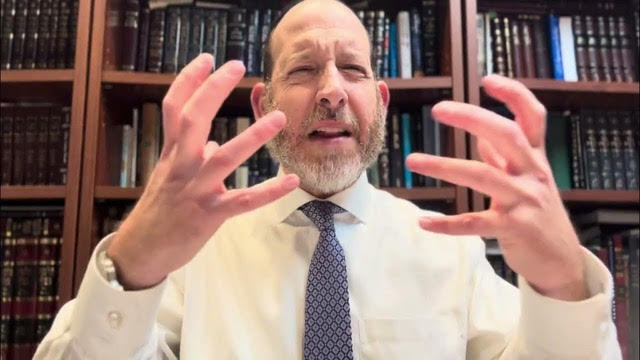

Rabbi Bernie Fox: Ki Tavo What Was Written on the Stones?

Rabbi Fox raises the question of what was actually written on the stones. Moses instructs the nation to record the Torah on 12 stones, but no other detail is provided. Commentators present different options: the 613 Mitzvot, the entire Torah…Moses also gives instructions on reciting blessings and curses from 2 different mountains. Yet, what were the blessings? Were they assumed to be the opposite of each curse? e.g. refrain from creating an idol vs creating an idol

AlephBeta: Ki Tavo Summary & Commentary

The scholars of AlephBeta refer to the 2 laws that will only go into effect when the Israelites enter the land: bikkurim, or first fruits, and ma’aser, or tithing. The scholars observe that there is a very specific passage that must be recited when offering the first fruits; one that references the redemption to Egypt, with a Divine promise to inherit the land. The act of tithing relates back to Jacob, who made a vow to give a ma’aser to God.

Cantor Michel Laloum: Shoftime Tzedek Tzedek Tirdof

The texts stipulates that the king shall not only write his own Sefer Torah, but also study from it daily so that he shall be God-fearing. Rabbi Sacks references the Kaplan and Alter translations, which state that the king shall not be haughty or superior over his brothers. He then considers Solomon, who as king, broke all of the rules that this parashah prescribes, resulting in the division of the kingdom.

Rabbi Jonathan Sacks, z/l: Shoftim Greatness is Humility

The texts stipulates that the king shall not only write his own Sefer Torah, but also study from it daily so that he shall be God-fearing. Rabbi Sacks references the Kaplan and Alter translations, which state that the king shall not be haughty or superior over his brothers. He then considers Solomon, who as king, broke all of the rules that this parashah prescribes, resulting in the division of the kingdom.

Maharat Rori Picker Neiss: Eikev It’s the Smaller Things that Matter

Maharat Rori Picker Neiss introduces the theme from the very beginning of the parashah: “If you eikev obey these rules”. Translators generally consider the word eikev to be extraneous to the sentence. She cites Rashi, who interprets it to mean that even the lighter commands—like something we would walk upon with our heels—must also be observed. We should remain vigilant about actions that we don’t notice.