
Rabbi Adam Ruditsky: Parashat Vayera
Rabbi Ruditsky compares the 10 tests that God assessed against Abraham to the tests that we, as Jews, are experiencing today. “The whole entire world is a very narrow bridge…”.

Rabbi Ruditsky compares the 10 tests that God assessed against Abraham to the tests that we, as Jews, are experiencing today. “The whole entire world is a very narrow bridge…”.

Rabbi Sacks writes of Abraham as the most influential man who ever lived; father of many nations…the founder of faith by Judaism, Christianity, and Islam. We know nothing about him, except that he was singled out by God to become “the father of many nations”. Abraham’s life is centered around his role as a father—waiting for a child, birth of Ishmael, tension between Sarah and Hagar, birth of Isaac and the Akeidah…Fatherhood is everything.

Rabbi Sacks describes the founding of the first city by Cain as established with bloodshed. He writes about Romulus and Remus, the former also guilty of fratricide. Sodom was threatened with destruction by God for terrible crimes, but Abraham fought back. Egypt – Joseph was falsely accused of a crime after refusing the advances of Potiphar’s wife. The parashah addresses the story of Babel, where the residents attempted to build a tower that reaches to heaven. Although this did not incorporate the same criminal activity, its attempt to justify a heavenly hierarchy on earth—the birth of polytheism.

Rabbi Ruditsky addresses the theme of collateral damage in the flood narrative. Most Jewish texts, as he points out, deal with the reason for the flood, rather than the morality of needless deaths. He wrestles with the application of this theme in current events.
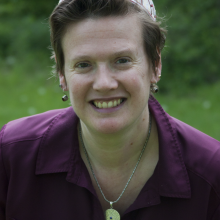
Rabbi Barenblat writes of how can we welcome Shabbat when we are so encumbered with horror and grief? She concludes with the observation that Shabbat is our foretaste of the world to come, before which we must get through the next week of trouble. She continues her blog with observations on Bereishit; the chaos in the beginning, the chaos before the formation of the State of Israel, the chaos that we are witnessing today. She references the sorrow of Cain and Abel, and God’s choice to favor one over the other. She concludes with the observation that we are all each other’s keepers, as Cain should have been for his brother.
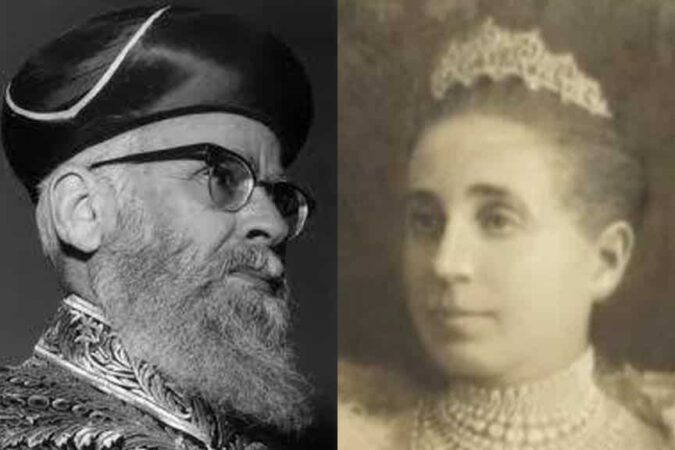
Rav Nissim and Rabbanit Sassoon maintained a havruta for Torah Study in the early 20th century, at a time when woman were excluded from serious Torah study. Rav Nissim, who later became Israel’s second Sephardic Chief Rabbi, insisted on publishing their mutual discussions.

Rabbi Ruditsky writes about the challenge of good and evil, especially in light of current events. He states that God created humanity with free will, thus opening the door for both good and evil. He reminds us that, despite the evil that resides in Hamas, we must never lose our humanity.

Rabbi Sacks’ essay on Bereishit is painfully pertinent and poignant, coming for this week’s parashah. He quotes Rashi, who wrote that the parashah should have begun with “This month shall be to you the first of months (Exodus 12:2)” instead of “In the beginning”.
Rabbi Barenblat writes a beautiful poem expressing the pain of this week’s events:

The purpose of leadership is to frame reality for the group. They show the group the map and the destination. As Rabbi Sacks states, ‘no one did it more powerfully than Moses’. As Moses says, “I am setting before you…the blessing and the curse…”. Please follow the link below to read his article on Re’eh, which we read for Shemini Atzeret: